Experienced Molecular Science Mentors for Personalized Instruction
Expert chemistry tutors serve as essential figures in enhancing student comprehension through customized education. They evaluate individual needs and modify their instructional approaches accordingly. By employing various strategies, these instructors create an stimulating setting that cultivates confidence and curiosity. This tailored approach not only helps with mastering complex concepts but also sparks a deeper passion in chemistry. What specific techniques do these professionals employ to achieve such successful outcomes?
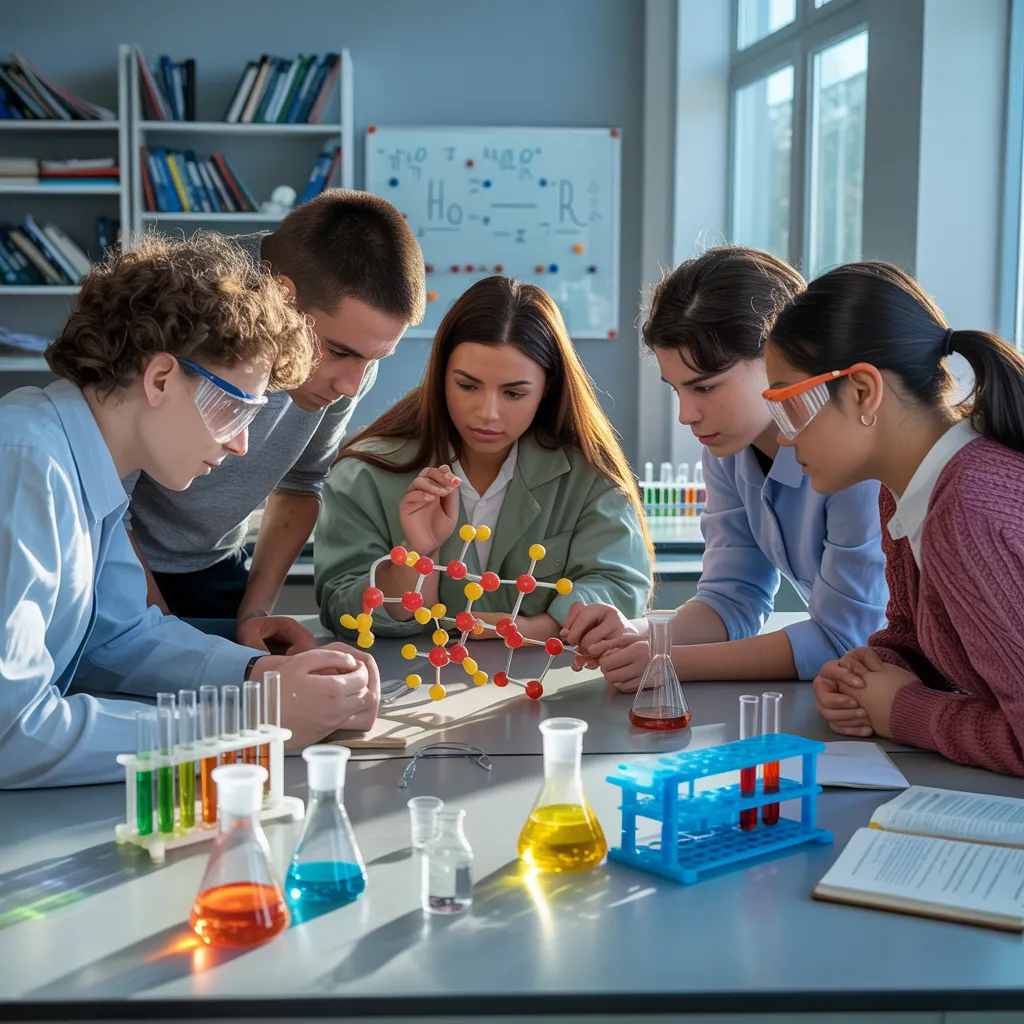
Addressing Chemistry Issues A Purpose of Customized Tutoring
As students grapple with the complexities of chemistry, customized instruction emerges as an vital resource for overcoming learning difficulties. Many learners grapple with abstract concepts, complex equations, and problem-solving techniques fundamental to the subject. Customized instruction addresses these hurdles by adapting instruction to individual learning styles and paces. This tailored method allows tutors to recognize particular problem areas, guaranteeing that students receive focused assistance.
Furthermore, personalized tutoring encourages a more interactive learning environment, where students feel comfortable posing questions and delving into topics in depth. Tutors can implement various teaching methods, such as visual aids or interactive experiments, to enhance comprehension. By fostering a supportive relationship, tutors also increase students' confidence, prompting them to tackle challenging material.
Ultimately, customized education serves as a critical component in empowering students to address their chemistry problems, building the groundwork for stronger grasp and better outcomes in this subject.
The Advantages of One-on-One Chemistry Coaching
One-on-one chemistry instruction offers unique advantages that improve the educational experience. This personalized method enables tutors to adapt their instructional techniques to the individual requirements of each student, guaranteeing that specific concepts are completely comprehended. Students can progress at their own pace, which fosters increased self-assurance and reduces anxiety associated with group settings.
Furthermore, one-on-one tutoring enables immediate engagement, permitting instant feedback and clarification of doubts. This dynamic promotes active participation, making learning increasingly interactive and productive. The personalized focus also enables instructors to identify and address learning gaps that may hinder a learner's understanding of complex topics.
Additionally, students can investigate their passions within the subject more in depth, resulting in a more enriching educational journey. Overall, one-on-one chemistry tutoring fosters a nurturing educational setting that significantly enhances student performance and enthusiasm for the subject.
Determining Learners' Needs in Chemistry Support
How might tutors effectively determine the unique demands of each student of chemistry? A in-depth analysis approach is important for identifying individual competencies and weaknesses. Initially, instructors may employ diagnostic assessments that test a student's ongoing knowledge and level of skill in chemistry. This can involve short assessments or informal interviews to comprehend the student's background and specific problematic topics.
Additionally, observing student involvement during classes can provide insights into their learning preferences and psychological reactions. Input from students about their experiences can additionally elucidate their needs. Tutors should also evaluate the educational goals of students, whether they are preparing for copyrights, raising academic standing, or developing a deeper understanding of chemistry concepts.
Tailoring Instructional Methods According to Learning Styles
Expert chemistry support calls for an insight of assorted learning preferences, including visual, auditory, and kinesthetic practices. By customizing strategies to these preferences, tutors can strengthen student participation and understanding. Deploying concentrated methods can substantially improve the learning experience for each pupil.
Visual Learning Techniques
Although many students grasp sophisticated chemistry subjects through time-honored methods, visual learning techniques can markedly boost grasp for those who thrive on mental imagery and spatial reasoning. Tutors can incorporate diagrams, structural models, and charts to illustrate chemical reactions and structures, making abstract ideas more tangible. Applying color-organized notes and interactive simulations can engage visual learners, helping them to visualize processes such as bonding or reaction steps. Moreover, incorporating instructional videos that display hands-on work or real-world applications of chemistry can offer insight and enhance retention. By adapting their instructional approaches to integrate these visual elements, instructors can create a more accepting educational environment, satisfying multiple learning preferences and ultimately fostering a deeper comprehension of chemistry concepts among their class.
Auditory Study Methods
Often, auditory learners do best when knowledge is shared through oral communication, exchanges, and verbal explanations. Expert chemistry tutors can enhance the learning experience for these students by incorporating techniques such as storytelling, related resource lectures, and Q&A sessions. Encouraging students in dialogues about complex concepts allows them to process information more accurately. Additionally, using mnemonic devices or rhymes can aid retention of chemical formulas and reactions. Tutors may also encourage students to state their thought processes, cultivating a deeper understanding of the material. By tailoring instructional methods to auditory preferences, tutors create a more welcoming learning environment, building confidence and mastery in chemistry. This personalized approach ultimately supports students in fulfilling their academic goals.
Kinesthetic Study Methods
For hands-on learners, hands-on experiences and physical activities are essential in grasping complex ideas in chemistry. Expert chemistry tutors can improve learning by incorporating engaging experiments and tactile materials. Utilizing models, such as molecular kits, allows students to visualize structures and reactions physically. Additionally, engaging students in lab activities fosters a greater understanding of scientific principles through real-world applications. Tutors may also implement role-playing scenarios, where students act out chemical processes, reinforcing knowledge through movement. Furthermore, integrating technology, such as virtual labs, can provide immersive experiences for those unable to conduct experiments in person. By tailoring strategies to suit kinesthetic preferences, tutors can greatly improve student participation and understanding in chemistry.
True Achievement Stories: Chemistry Instructors Make a Difference
While many students battle with the nuances of the subject matter, success stories abound, showcasing the remarkable influence of skilled tutors. One such case describes a high school student who initially struggled to understand basic concepts, generating frustration and declining grades. After engaging with a dedicated tutor, the student not only deepened their knowledge but also cultivated fresh confidence, ultimately securing excellent scores in their class.
In one situation, a college first-year student faced challenges in organic chemistry, feeling overwhelmed by the coursework. Through tailored tutoring sessions that focused on problem-solving techniques and practical copyrightples, the student turned their performance around, securing a place on the Dean's List. These stories demonstrate how personalized attention and professional instruction can enhance comprehension, enable pupils to conquer academic obstacles, and cultivate a lasting appreciation for the subject. Chemistry tutors serve as essential figures in shaping successful educational journeys, promoting understanding and passion.
What Constitutes a Great Chemistry Instructor?
A skilled chemistry instructor exhibits a unique blend of proficiency and communication abilities that promotes effective learning. Their thorough grasp of chemical concepts enables them to present intricate subjects lucidly, making sure students understand basic concepts. Moreover, they keep current with advancements in the profession, which boosts their teaching relevance.
Their social skills are comparably vital. A talented tutor develops rapport with students, creating a supportive environment where learners feel at ease asking questions. Patience is fundamental; effective tutors recognize that each student advances at their own rhythm and tailor their technique accordingly.
Additionally, skilled chemistry tutors employ diverse teaching methods, including visual aids and practical demonstrations, to accommodate varied learning styles. They also promote critical thinking and problem-solving, equipping students with skills beyond rote memorization. Ultimately, an outstanding chemistry tutor inspires confidence and curiosity, motivating students to explore the subject further and achieve academic success.
Frequently Requested Questions
How Can I Discover a Competent Chemistry Tutor Near Me?
To find a skilled chemistry tutor nearby, people can take advantage of online platforms, get recommendations from schools near you, look at public notice boards, or check out tutoring organizations that concentrate in science education for individualized help.
What Is the Normal Cost of Chemistry Tutoring Lessons?
Generally, chemistry instruction classes cost between $30 to $100 per hour, determined by elements including the tutor's experience, location, and duration of sessions. Prices can differ considerably based on individual circumstances and specific needs.
What Time Period Should I Allocate in Tutoring to See Noticeable Gains?
A commitment to tutoring sessions typically needs at least six to eight weeks for visible progress. Regular practice, regular assessments, and input during this period can significantly improve understanding and performance in chemistry concepts.
Will Tutoring Improve Upper-Level Chemistry Material or Just Basics?
Tutoring can markedly improve understanding of both advanced chemistry topics and elementary ideas. Experienced tutors modify their instruction to fulfill particular student requirements, guaranteeing students grasp intricate subject matter while bolstering foundational knowledge important for accomplishment.
What Qualifications Should I Seek in a Chemistry Tutor?
A skilled chemistry instructor must exhibit a proper certification, strong understanding of advanced topics, educational history, effective communication skills, and the capacity to customize instruction to unique student needs, providing comprehensive assistance for students.